
Saturday, June 13, 2026
EditorialEditors editorial

End of an era

Since 2008, Hort Journal Australia has helped the industry work smarter by sharing ideas, case studies, research and practical experience. Sadly, this issue is our last, for reasons our publisher, Gabe Mostafa, explains eloquently in his letter to you, ‘With thanks and farewell’, in these pages.Continue reading

Read More
EditorialIndustry News

With thanks and farewell

I am writing to let you know that Hort Journal Australia will cease publication after the June 2026 issue.

This has not been an easy decision. A combination of factors has made it increasingly difficult to continue. In particular, the late effects of polio are now significantly affecting my ability to travel, attend industry events, and maintain the connections that have always been so important to the magazine.… Continue reading

Read More
EditorialIndustry News

A farewell tribute to Hort Journal Australia

By Karen Smith

Honouring the magazine that served the industry for almost two decades.


When I heard Hort Journal Australia was closing, I felt deeply saddened. Alongside Gabe Mostafa and John Fitzsimmons, the magazine had been a big part of my life since its beginning in July 2008.… Continue reading

Read More
Greenhouses & TechnologyRobotics

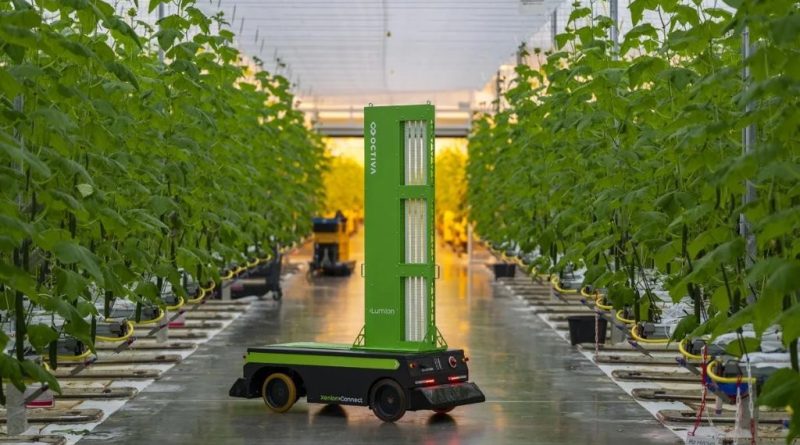
Growing smarter at GreenTech

by John Fitzsimmons

The horticulture industry is always looking for ways to work smarter, and automation and efficiency have long played in a role in this process. This month’s GreenTech 2026 expo in Amsterdam showcases the horticultural world’s technological innovations. In this article, I share a summary of some of the leading technology on display at this event.Continue reading

Read More
Business FileEditorial

How your business can navigate these challenging times

By John Corban

Over the last few months, the Middle East conflict has contributed to rising mortgage rates and surging fuel prices, and an AI revolution is reshaping the way businesses operate globally. It is fair to say there is some uncertainty for homeowners and business owners alike.Continue reading

Read More
Environment & SustainabilityPest and Diseases

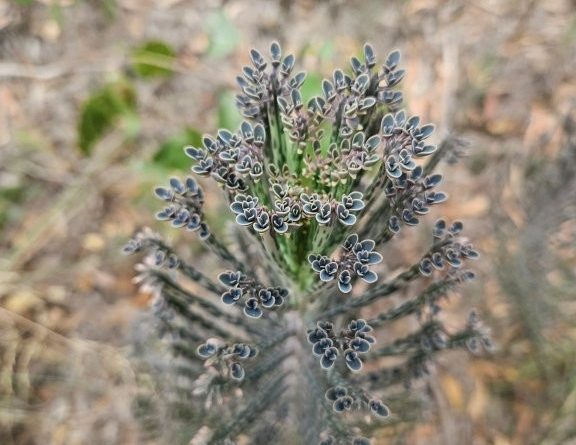
When ‘good’ plants go bad

What can industry learn from mother of millions?

By Chris Dewhurst

It is often said that more than 70% of the weeds invading Australia’s natural landscape were once ornamental plants. While the exact figure is debated, one thing is certain: the horticulture industry is at the frontline of Australia’s biosecurity response.Continue reading

Read More
BotanyPlants

Nature’s automation:

Self-organising systems in production horticulture

By Erik van Zuilekom

What if the most effective automation technology available to production horticulture was never engineered in a factory? Self-organising ecological processes, nature’s own regulatory systems, offer nurseries practical pathways to reduced inputs, stronger plant health and increasing resilience over time.Continue reading

Read More
Business FileEditorial

Evidence that wins horticulture grants:

How to prove need, feasibility and impact

By Tania Harman and Daniel Knox

This article is the third in our Successful Grant Writing series for horticulture businesses, grower groups and researchers. In Article One, we focused on the strategic foundations of a competitive application: the right project, at the right time, for the right program1.… Continue reading

Read More
Working Smarter

The real work of working smarter

By Patrick Regnault

‘Work smarter, not harder’ is a popular adage in these times. In reality, working smarter often depends on first doing the harder work of understanding a problem deeply and approaching it with flexibility. To solve a problem, we need to examine it from different perspectives.Continue reading

Read More
EditorialNursery PapersUncategorized

NURSERY PAPERS

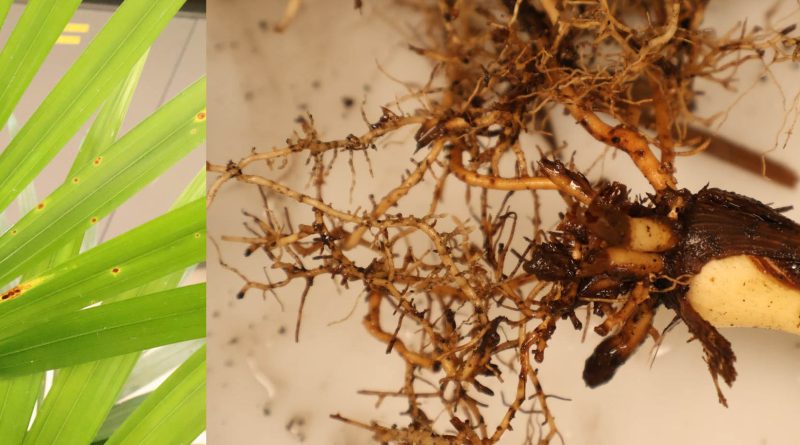
Free plant pest and disease testing helping nursery growers act earlier and reduce losses

A free, levy-funded diagnostic service is helping Australian production nurseries identify plant health issues earlier, avoid costly misdiagnoses, and reduce losses from pests and diseases.

By replacing trial-and-error decision-making with laboratory-confirmed results, the service is giving growers more confidence in how—and when— to act.… Continue reading

Read More